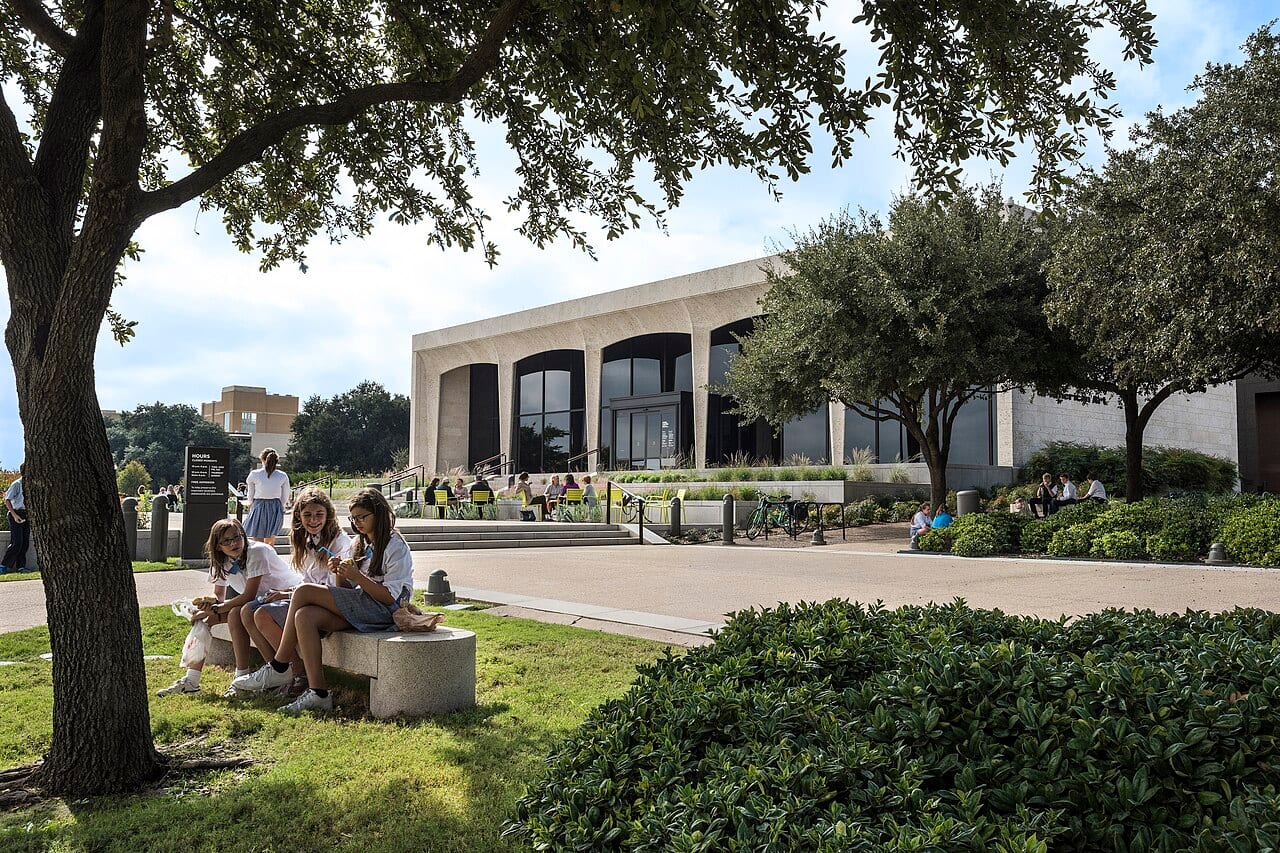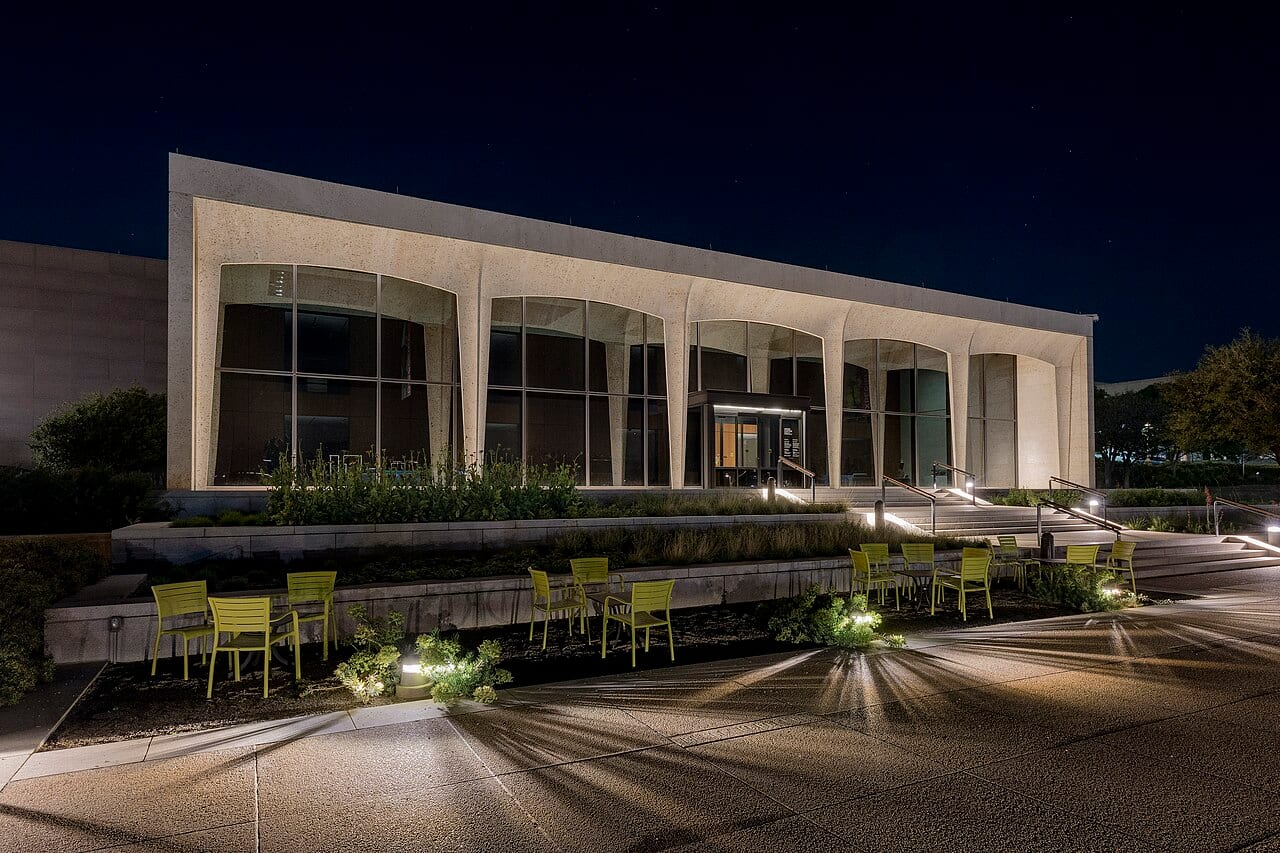
A single photograph can capture the energy of a Dallas street corner at dusk or the quiet intimacy of a neighborhood cafe. However, when a group is working together to select an image for a publication, a website, or a local business presentation, the process often falls to one person. This coordinator must weigh the visual strength of an image against the logistical realities of how that image was captured and how it is intended to be used.
The weight of a visual choice
There is no single standard for what makes a photograph "good." One person in a group might favor a high-contrast, dramatic shot that captures movement, while another might prefer a soft, naturalistic image that feels more approachable. These preferences are not right or wrong; they are simply different ways of interpreting the mood of a project. The challenge for the person managing the arrangements is to move beyond personal taste and consider the broader context of the work.
For example, if a local community group is designing a brochure to celebrate neighborhood history, they might find themselves torn between two options. One photo is a stunning, professional wide shot of a local park that looks spectacular on a cover. The other is a candid, slightly grainy snapshot of residents gathered at a community garden. The former offers polished scale, while the latter offers a sense of lived experience. The decision rests on whether the goal is to project an image of professional prestige or to convey a sense of grassroots connection.
Navigating context and permission
Beyond the aesthetic, the person coordinating the selection must look at the background of the image itself. A photograph is not just a collection of pixels; it is a record of a moment that involves people, places, and sometimes private property. The intended use of the image—whether it is for a private internal meeting or a public-facing advertisement—changes the level of scrutiny required for the selection.
When a group settles on a candidate, the coordinator should investigate the circumstances of the photo's creation. Ask the person who provided the image about the context in which it was taken. If the image features identifiable individuals or specific private spaces, ask the photographer or the owner what permissions were obtained at the time of the shoot. It is also helpful to ask if there are any specific restrictions on how the image can be displayed or if it can be cropped and edited for different formats.
Balancing the group vision
The final step is reconciling the group's diverse opinions with the practicalities of the project. The coordinator should facilitate a discussion that focuses on the project's specific objectives rather than individual artistic preferences. Instead of asking which photo is "better," ask how each photo serves the specific narrative the group is trying to tell. By focusing on the intended message and the logistical details of the image's origin, the group can reach a decision that is both visually effective and responsibly handled.