This is a paid partner contribution. Commercial relationships are disclosed so readers can distinguish sponsored content from editorial guides.
A blank room offers endless possibilities, but it can also feel overwhelming when you begin to consider a complete overhaul. The transition from a vague idea of "something new" to a structured design plan requires a shift in focus from the aesthetic results to the practical details of your daily life. Deciding to work with a professional is a significant step in how you inhabit your home, and the quality of your initial conversation often sets the tone for the entire project.
Defining Your Daily Rhythms
Before discussing colors or fabrics, consider the way you actually move through your rooms. A beautiful space is only successful if it accommodates the way you live. Think about the quiet mornings in the kitchen, the chaotic energy of a family gathering, or the need for a dedicated area to work. Identifying these patterns helps you communicate what a room must do before you decide how it should look.
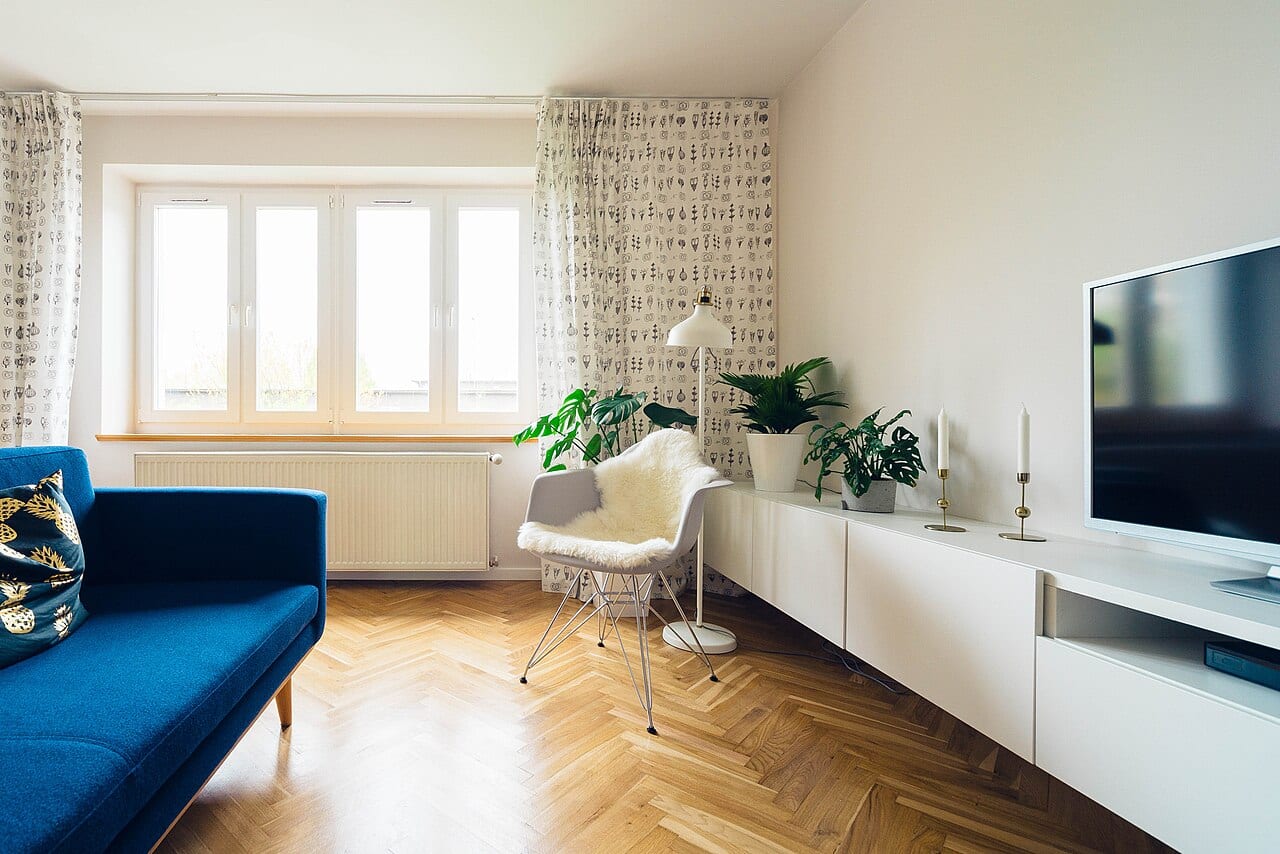
For example, if you are looking to refresh a living area, you might weigh the desire for a formal, curated aesthetic against the need for durable surfaces that can withstand pets or children. This tradeoff between high-end visual appeal and functional resilience is a central part of the planning process. You might decide that a velvet sofa is too high-maintenance, opting instead for a high-performance textile that offers a similar texture without the same level of fragility.
Preparing Your Observations
Walking into a room with a fresh set of eyes can be difficult. To make your first meeting more productive, take note of the elements that currently frustrate you. Is the lighting too dim for reading? Does the layout make conversation difficult? Does the current storage fail to keep up with your needs? Bringing these specific observations allows for a more grounded discussion.
Gathering visual inspiration is also helpful, but try to look beyond the surface. Instead of just noting a specific shade of blue, ask yourself if you are drawn to the mood of the room, the way the furniture is arranged, or the way the light hits the walls. This distinction helps you explain the "why" behind your preferences.
Inquiry and Alignment
The first meeting is as much about you vetting the professional as it is about them understanding your home. Rather than assuming how a project will unfold, ask questions that clarify the working relationship. You might ask how they approach the initial discovery phase or how they prefer to communicate updates on progress. It is also useful to ask how they handle the specific constraints of your space and your timeline.
If you are searching for a preston hollow interior designer, use that first conversation to see if their communication style matches your own. Ask how they manage the selection process and what their role is in coordinating the various elements of a project. By focusing on these logistical and creative intersections, you can move forward with a clearer sense of how your vision will be translated into your physical environment.