A scratched door panel or a faded bumper is more than a mechanical inconvenience; it is a disruption to the way a vehicle fits into your daily life. Whether you are preparing for a weekend drive or simply want your car to look its best while parked in a Dallas driveway, the transition from noticing a flaw to handing over the keys requires a specific kind of preparation. The goal is to move from a vague sense of dissatisfaction to a precise set of instructions that bridge the gap between how the car looks now and how you want it to look when you pick it up.
Mapping the Surface
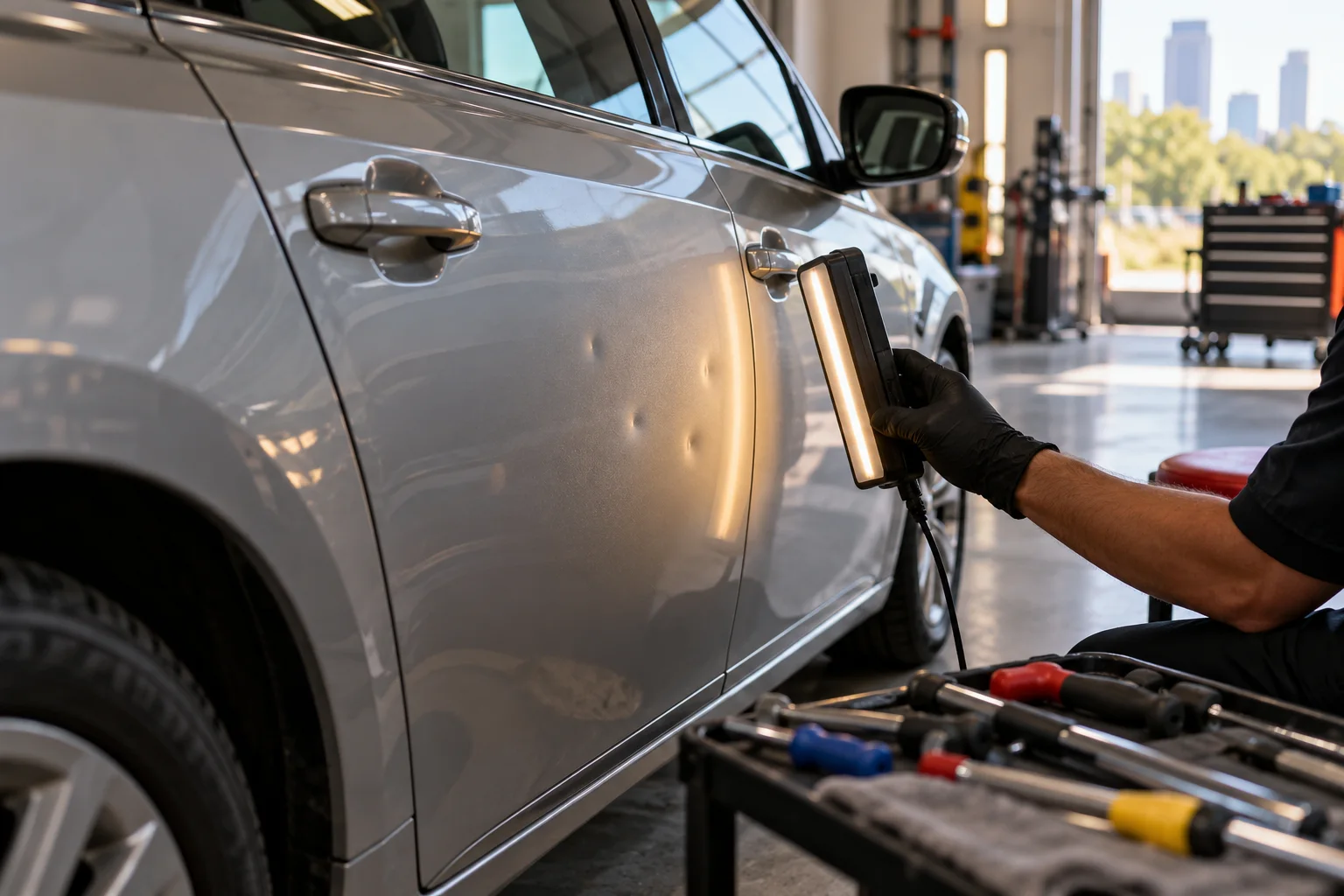
Effective communication begins with a close inspection. Instead of noting that a side panel is "damaged," take a moment to observe the texture and light. Is the issue a shallow scuff that sits on top of the clear coat, or is there a physical indentation that has altered the contour of the metal? Does the discoloration appear as a localized patch, or is it a broad, fading effect caused by sun exposure?
When you prepare your notes, focus on these tactile and visual details. Noting the exact location—such as the lower edge of the passenger door or the corner of the rear quarter panel—helps eliminate ambiguity. This level of detail ensures that the shop understands the specific area of concern before any work begins.
Balancing Vision and Reality
A meaningful tradeoff often exists between a desire for absolute perfection and the practical constraints of a repair. For example, if you are looking to refresh an older vehicle, you might face a choice between a localized touch-up that addresses a single scratch or a more comprehensive refinishing of an entire panel to ensure color consistency. While the latter aims for a seamless appearance, it involves a different level of involvement and time.
Imagine you have a silver sedan with a noticeable swirl mark on the hood and a small chip on the fender. You must decide if you want the shop to focus solely on the chip to address the most obvious flaw, or if you want them to address the surface texture of the entire hood to achieve a uniform shine. Each choice changes the scope of the service and the eventual look of the vehicle.
Defining the Scope
Once you have observed the damage and weighed your aesthetic preferences, the final step is the conversation with the service provider. Rather than suggesting how the work should be performed, focus on the intended outcome. Ask the technician how their proposed plan addresses the specific areas you identified. You might ask how they intend to match the existing color to the repaired section, or ask what the expected visual result will be regarding the surface texture.
Confirming these details allows you to align your expectations with their professional assessment. By presenting your observations clearly and asking how their approach meets your desired appearance, you ensure that the finished product matches the vision you held when you first walked into the shop.


