A single exhibition can hold an entire afternoon, yet the impulse when visiting a major cultural venue is often to scan every hall and check every box on a printed list. For those navigating the logistics of a group outing, this desire for completeness often collides with the reality of limited time and varying interests. The decision to see everything often results in seeing nothing at all, as the mental fatigue of constant movement replaces the actual appreciation of the work on display.
The Weight of the Coordinator
Organizing a cultural excursion involves more than just picking a date. One person in the group often carries the invisible workload: checking opening hours, coordinating transportation, and ensuring the itinerary accommodates everyone’s pace. This coordinator faces a distinct tradeoff between breadth and depth. They can choose an itinerary that touches on five different displays, or they can commit the group to a single, focused exhibition. The weight of this decision rests on whether the coordinator prioritizes the feeling of a productive trip or the quality of the shared experience.
The former promises a sense of achievement, a feeling that the group has "seen the museum." The latter offers the possibility of genuine reflection. When a group is rushed from one room to the next, the conversation often stays on the surface—commenting on colors or sizes rather than the ideas presented. The coordinator must decide if the goal is a high-speed tour or a shared moment of stillness. This choice dictates whether the group leaves feeling energized or simply exhausted by the logistics of the walk.
Depth Versus Variety
Consider the impact of these choices on the group's energy. A wide-ranging tour requires constant movement, which can be taxing for some members and distracting for others. Conversely, focusing on one exhibition allows the group to settle in. It permits the conversation to evolve as people notice different details over an hour or two. The tradeoff is clear: you either gain a broad overview of many subjects or a concentrated understanding of one.
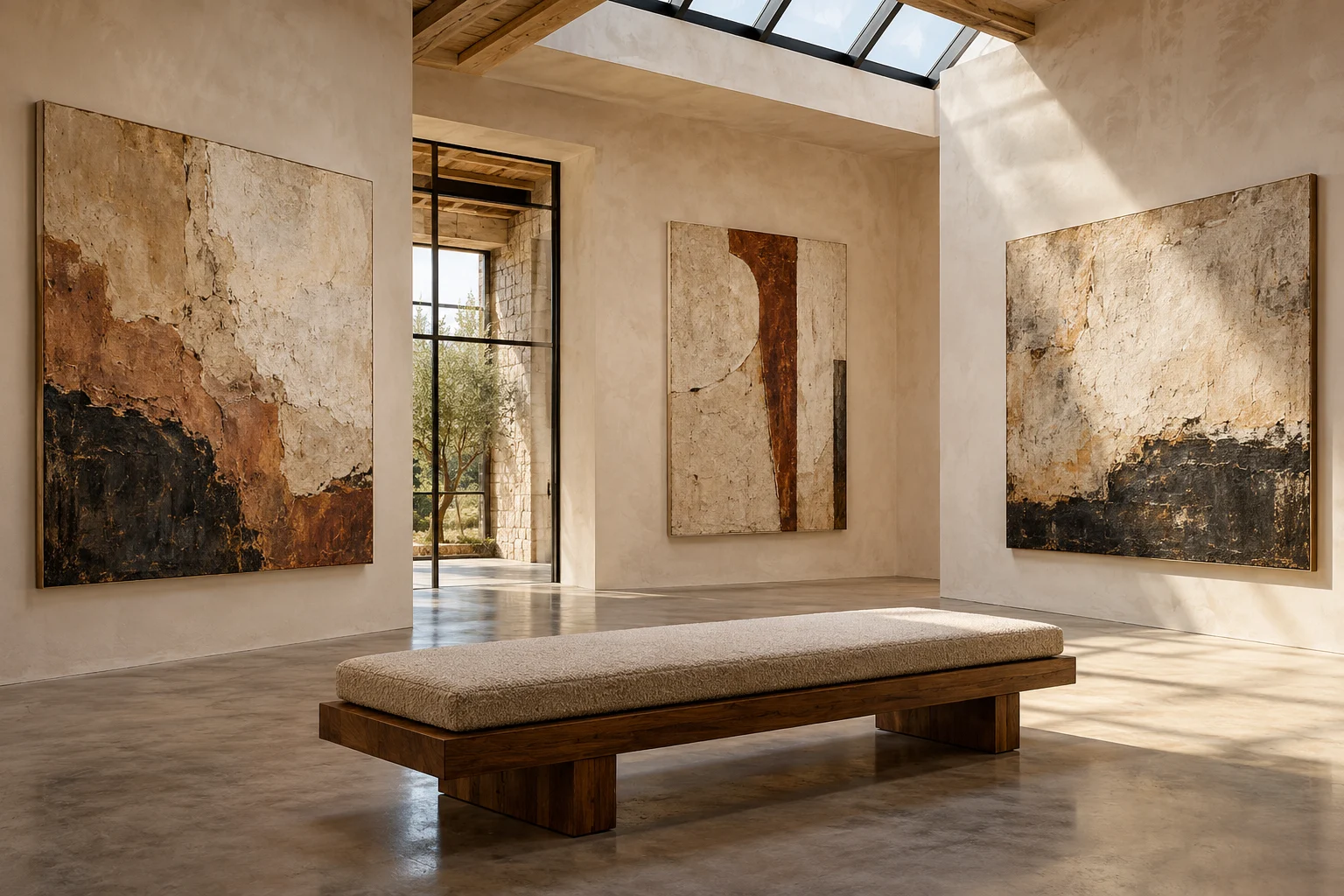
For example, if a group decides to visit a venue to see a specific contemporary installation, they might feel compelled to wander through the permanent collections afterward to justify the trip. However, if they spend that same time sitting in the gallery space or discussing a single piece, the experience becomes more personal. This requires the group to abandon the idea that more time spent equals more value. Sometimes, the value is found in the pauses between observations.
Planning the Quiet Moments
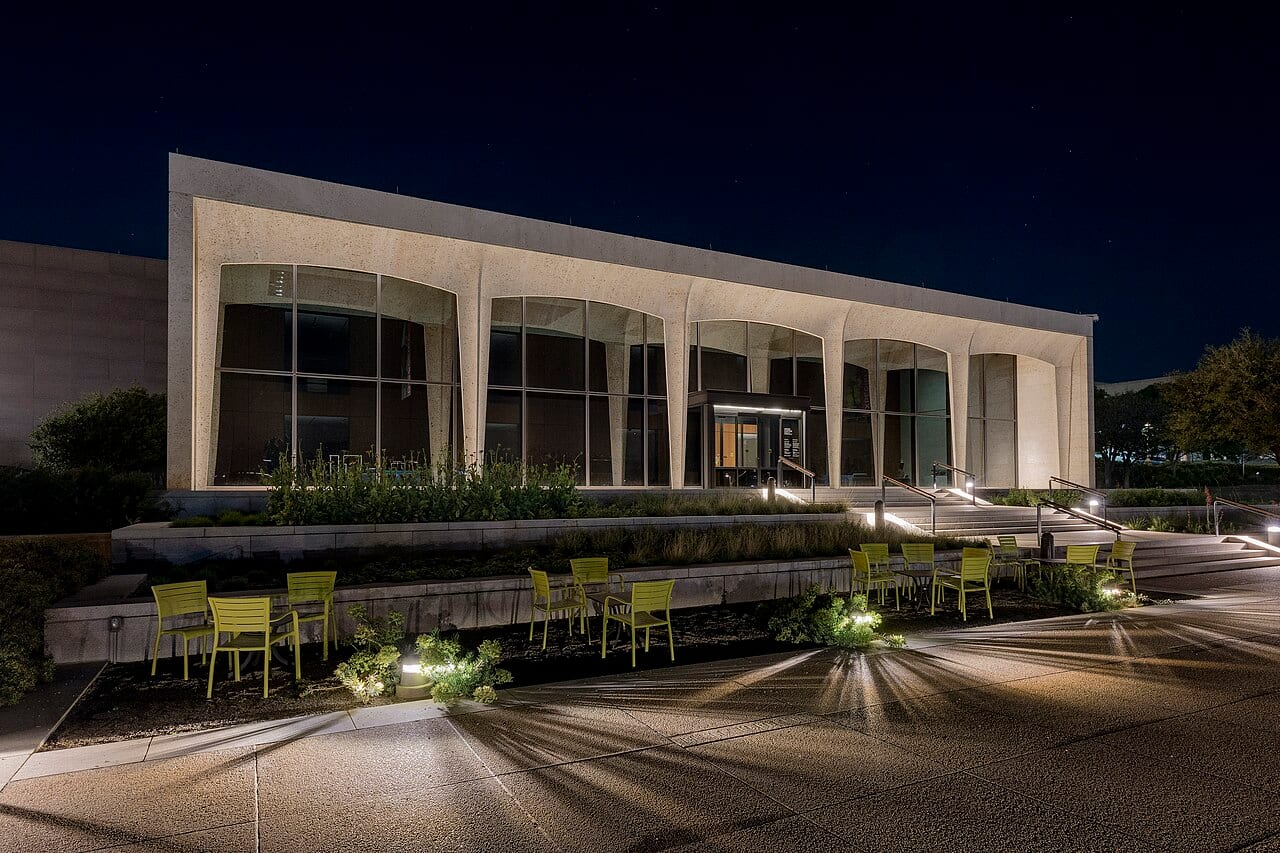
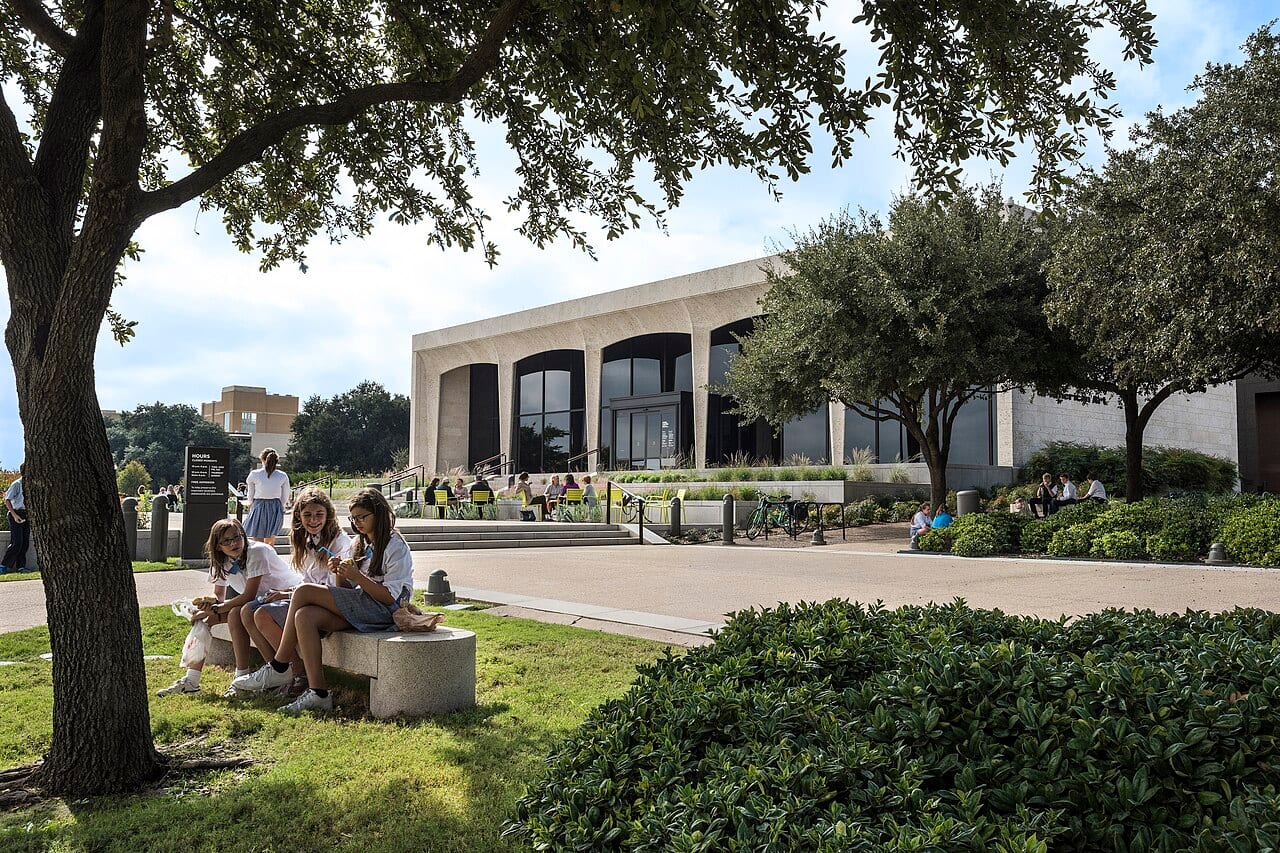
To make the most of a focused visit, the coordinator might look beyond the art itself. Ask the venue staff about the best times to visit for a quieter atmosphere, or inquire if there are specific areas designed for seating and reflection. Understanding how much time a single exhibition typically requires can help set realistic expectations for the group. If the group is traveling by car or public transit, consider how the transition from the street to the gallery affects the mood. A rushed arrival can lead to a rushed viewing.
Instead of aiming for a checklist of accomplishments, aim for a single, cohesive memory. By selecting one exhibition and allowing the group the space to inhabit it, the coordinator transforms a logistical task into a meaningful cultural event. The most successful outings are rarely those that cover the most ground, but those that allow for the most thought.