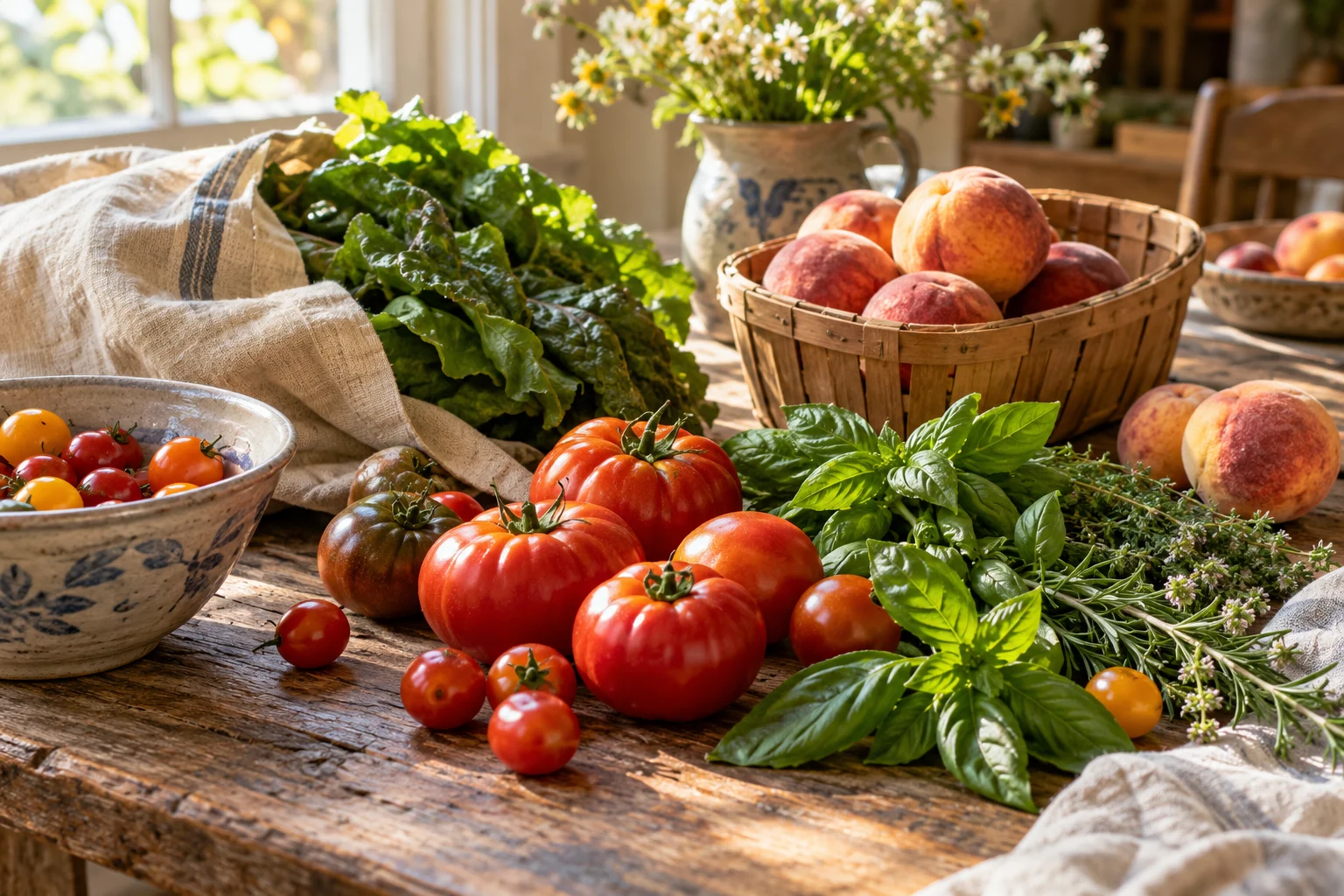
A basket containing heirloom tomatoes, fresh basil, and a loaf of crusty sourdough bread sits on a kitchen counter. At first glance, these items suggest a single, straightforward path toward a meal. However, the true value of such a selection lies in its ability to transform based on the evening's social requirements.
The Solo Evening vs. The Social Gathering
When the evening calls for quiet reflection after a long commute through Dallas traffic, these ingredients offer a streamlined experience. One might slice the tomatoes, tear the basil, and serve them alongside the bread for a light, focused meal. The preparation is minimal, requiring little more than a knife and a plate.
The tradeoff emerges when the social dynamic shifts. A group of friends might arrive unexpectedly, or perhaps a neighborhood gathering is already in motion. Suddenly, the singular meal must expand to accommodate different appetites and varying levels of engagement. The simplicity that served the solo diner can feel insufficient for a crowd, yet the same ingredients possess the flexibility to adapt.
Navigating Different Social Styles
Consider a group where communication styles vary significantly. For example, if you are hosting a mix of friends—some who prefer deep, uninterrupted conversation and others who thrive on the high energy of a loud, communal table—your food presentation can help manage the atmosphere.
For the conversationalists, a structured presentation like a composed salad allows everyone to focus on the dialogue. For the more boisterous guests, the ingredients can be transitioned into a shared, interactive style. You might crush the tomatoes and basil into a rustic topping, allowing guests to build their own small bites using the sourdough. This shift from a seated, formal arrangement to a self-serve, tactile experience can accommodate different comfort levels within the same room.
Planning the Transition
Deciding how to utilize a limited set of ingredients requires observing the rhythm of your guests. If the energy in the room is rising, a shared platter often works better than individual portions. If the mood remains subdued, keeping the meal contained to plates may preserve the intimacy of the setting.
As you prepare to host, ask yourself how the serving method will influence the movement of people in your space. Will a central platter encourage guests to gather around the table, or will individual plates allow them to remain more mobile? By viewing your market basket not as a fixed menu, but as a collection of possibilities, you can pivot between a peaceful meal and a lively social event without needing to run back to the store.