This is a paid partner contribution. Commercial relationships are disclosed so readers can distinguish sponsored content from editorial guides.
The transition from autumn into the busy holiday season often brings a sudden realization: the home is not quite ready for the influx of guests or the shift in daily routines. Instead of rushing into a flurry of last-minute purchases or sudden furniture moves, a more measured approach involves organizing your thoughts and your environment before the calendar fills up. A thoughtful preparation phase allows you to move from reactive decorating to intentional living.
Mapping your current environment
Before deciding what to add or change, take a moment to observe the rooms you inhabit most frequently. Notice how the light shifts through the windows during the shorter days and where the natural traffic patterns of your family lead. Look at the surfaces that collect clutter and the corners that feel empty or neglected. This observation phase is about understanding the current state of your home without immediate pressure to fix everything at once.
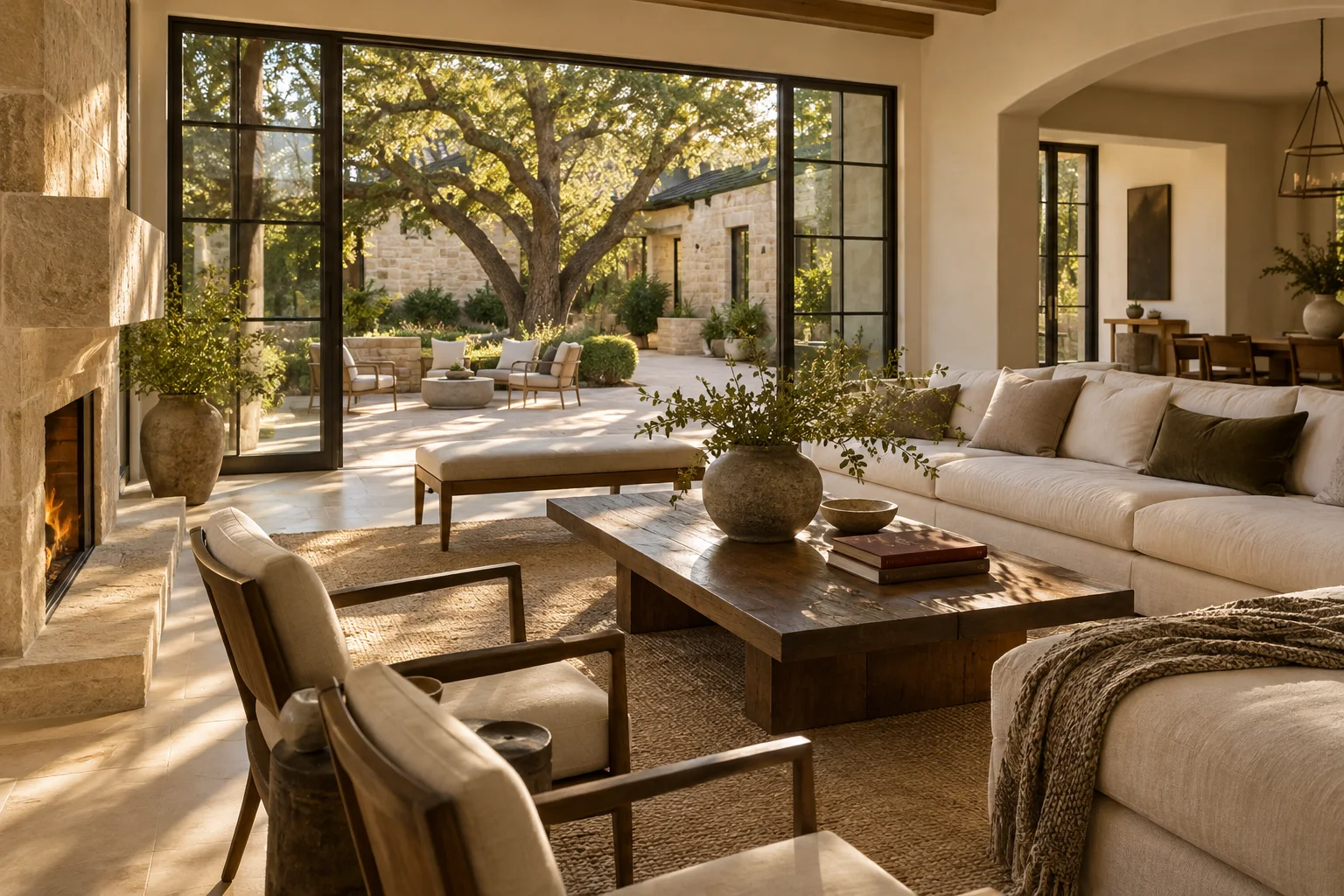
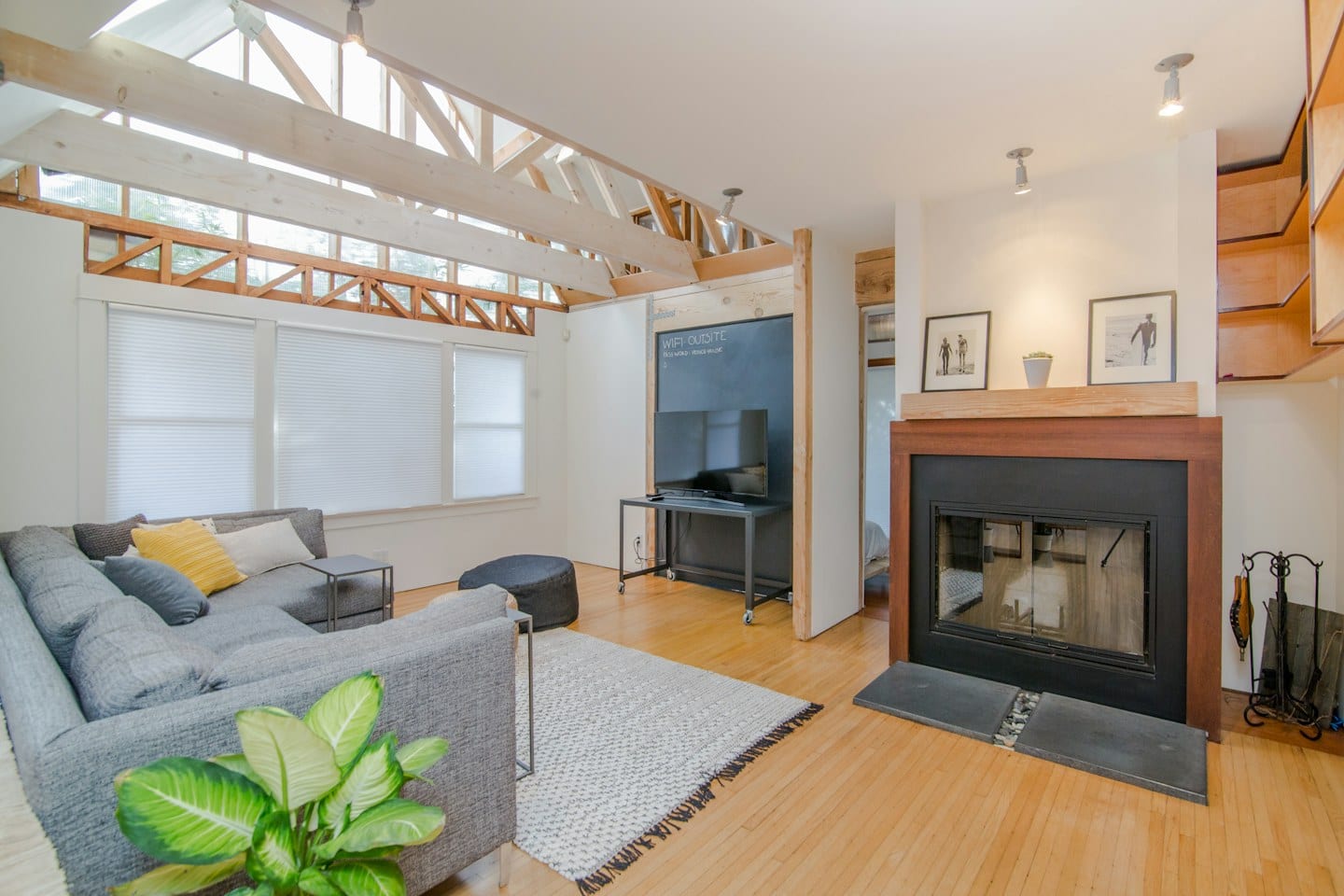
For example, if you find that your living area feels cramped when everyone gathers for a meal, you might consider the layout of your seating rather than just buying more items. The tradeoff here is between the immediate satisfaction of a new decorative object and the long-term comfort of a functional floor plan. One provides a quick visual change, while the other addresses how you actually move through your space.
Gathering your design intentions
As you begin to identify needs, start a dedicated collection of information. This might include measurements of specific walls, a list of existing furniture colors, or a folder of images that capture the atmosphere you want to achieve. Having these details organized prevents the frustration of mid-project pauses when a measurement is forgotten or a color sample no longer matches the rug.
If you decide that your project requires a higher level of coordination, you might seek out a university park interior designer to help refine these ideas. If you choose this route, prepare a list of questions regarding how they work with your existing pieces and what their process looks like for selecting new elements. Ask how they approach the specific dimensions and lighting conditions you have documented.
Evaluating the scale of change
Not every seasonal shift requires a total overhaul. You can choose to focus on high-impact, small-scale updates, such as textiles and lighting, or aim for more significant structural or aesthetic shifts. Decide whether your goal is to refresh the current aesthetic or to introduce a completely different mood to the house.
Once you have your notes, measurements, and visual inspirations ready, you can approach the coming months with clarity. Whether you are tackling a single corner or an entire floor, the work begins with the information you collect today. Review your gathered details and decide which areas of your home will benefit most from a focused, organized transformation.